


Sometimes people ask me a strange question.
“Do you paint war?”
And I always pause.
Because the truth is — no artist paints war directly. War is too loud, too fast, too chaotic for a brush.
What an artist really paints is what remains inside the human soul after the noise stops.
When the World Outside Becomes Too Loud
Living in Israel means that some mornings begin not with coffee, but with sirens.
You hear the explosions somewhere far away. You read the news.
You see the faces of people who lost homes, family members, their sense of safety.
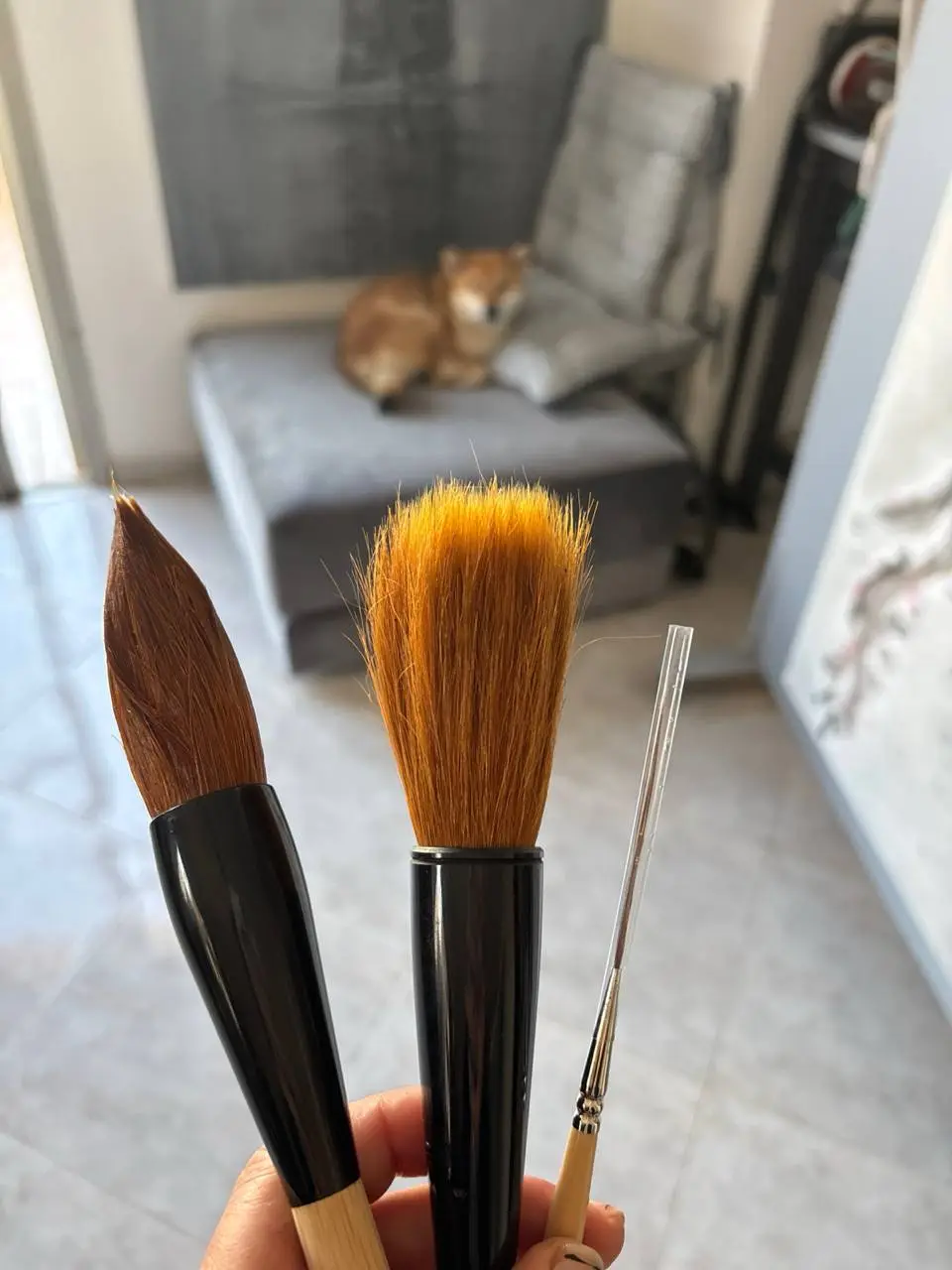
And then I walk into the studio. What do I do? - I take a brush.
Not because I am feeling strong.
But because painting is sometimes the only language that still makes sense.

As a contemporary Israeli artist, I often feel that my canvas becomes a place where fear, grief, anger, and hope can exist together.
Not organized. Not polite. But honest.
Eyes See Destruction. The Soul Feels Something Else.
War is not only tanks and headlines.
It is silence after the phone call.
It is a mother waiting for news.
It is a child drawing rockets in school notebooks.
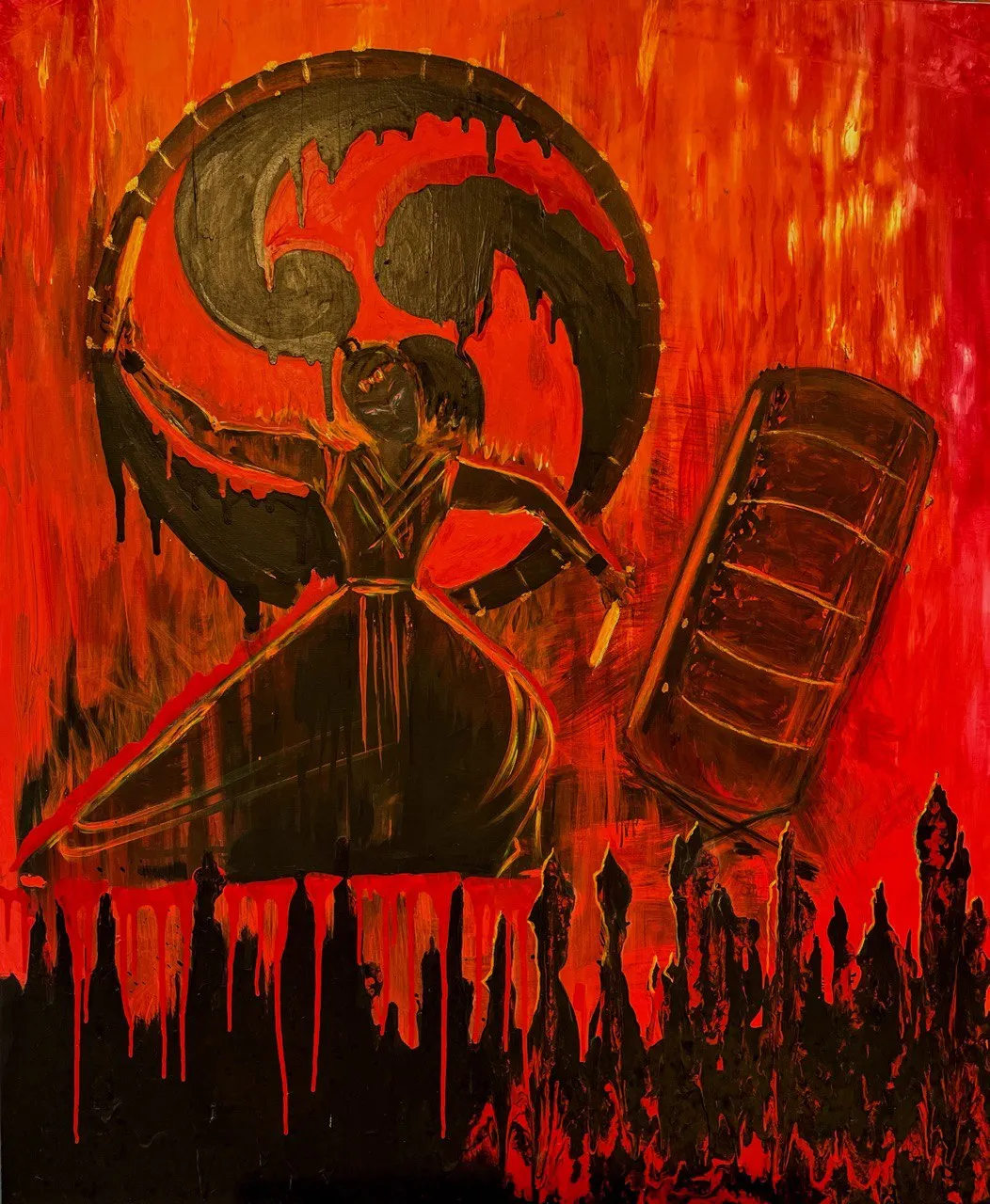
When I paint emotional abstract paintings, I am not painting missiles or ruins.
I paint pressure, movement, chaos, light breaking through darkness.
Sometimes the colors become violent — red, black, fire.
Sometimes the brush moves like waves or wind.
People searching online for modern art in Israel or original abstract paintings for sale may think they are looking for decoration.
But art created in times like these is not decoration.
It is testimony.
Artists Have Always Painted War
History shows us this again and again.
During the Second World War, artists across Europe continued to create even when cities were burning.
Picasso painted Guernica — a scream against destruction.
Japanese artists after Hiroshima painted landscapes that carried both beauty and unbearable memory.
Even in Japanese aesthetics, which influences my work deeply through Taiko rhythm and movement, there is an understanding that art must face suffering without turning away.
Not to glorify war. But to remind us that humanity still exists.
The Artist’s Responsibility
An artist cannot stop a war. But an artist can refuse to become numb. Every brushstroke is a quiet act of resistance against indifference.
In my studio, when I work on large canvases — the colors move quickly, sometimes violently.
It looks chaotic. But inside that chaos there is something else: compassion.
The soul responding to the suffering of others.
Why People Still Collect Art in Difficult Times
This is something I have noticed again and again. During hard periods, people start searching for:
- contemporary Israeli artists
- unique art pieces online
- original abstract paintings for sale
Why?
Because art reminds us that life continues.
Collectors are not only buying paintings. They are bringing emotion, courage, and memory into their homes. They are saying: “We refuse to let fear define our world.”
Painting Is Still Hope
Even when the world feels fragile, the canvas still waits. And sometimes that blank canvas feels like a small promise.
A place where pain can transform into color. Where fear becomes movement. Where despair becomes something… human.
This is how an artist paints war. Not with weapons. With empathy.
If You Want to See What War Looks Like Through Art
If you are searching for contemporary Israeli art,
if you want to experience emotional abstract paintings,
or explore my artworks that carry both intensity and hope — I invite you to visit my gallery Happy Place in Netanya or explore my collection online.
Because sometimes the strongest answer to darkness is simply to keep creating light.
With love and courage,
Nikita Ben Ami


